To go viral on Pinterest in 2026, you need three things working together: fresh pins published consistently, designs built around one clear idea, and keywords that match how people actually search. No single pin is guaranteed to take off but accounts that run this system reliably produce breakout pins within two to three months.
That’s the short answer. The longer one is worth your time, because Pinterest changed the rules this year and most of the advice still circulating was written for the old ones.
Since the January 2026 update I’ve watched some accounts double their outbound clicks while others, posting just as often, flatlined. The difference was never luck. It came down to understanding what the algorithm now rewards and building pins for that system not the one that existed in 2023.
What “Going Viral” on Pinterest Actually Means in 2026
A viral pin on Pinterest is one that earns saves and clicks far beyond your follower count, usually building over weeks rather than hours. Pinterest virality is a slow burn. A pin can sit quietly for a month, then get picked up by search and seasonal demand and pull traffic for a year.
That changes what you optimize for. The figure marketers keep citing the top 1% of pins drive over half of all outbound traffic makes the real lesson obvious: virality is a portfolio game. You’re not trying to make one perfect pin. You’re publishing enough strong, distinct pins that a few of them can catch fire.
Every account I’ve seen break out follows the same arc. Weeks of unremarkable numbers, then one pin starts compounding. The people who win are the ones still publishing when that moment arrives.
So what decides which pins get picked? That’s the algorithm’s job and it works differently now.
How the Pinterest Algorithm Works in 2026 (What Changed)
The Pinterest algorithm in 2026 ranks pins on four signals: quality (design and destination page), engagement (saves, clicks, close-ups), relevance (how well the pin matches a search or interest), and freshness (new images beat repins). Get all four right and distribution follows.

Two changes this year matter more than the rest.
The January 2026 update: the 24–48 hour fresh-pin boost
New pins now get a visibility window in their first 24 to 48 hours. Pinterest tests your pin against a sample audience and watches what happens. Strong early saves and close-ups earn wider distribution; a shrug means the pin settles into search results and waits for its keywords to do the work.
Your first two days decide a lot, in other words. Publish when your audience is active, and make sure the pin is fully optimized before it goes live you don’t get that testing window back.
From keywords to entities: Pinterest reads meaning now
Pinterest has moved past simple keyword matching to semantic indexing. It recognizes the actual things in your pin from the image itself, the text overlay, the title, the description, and the board it sits on. A pin of a white kitchen gets understood as “white kitchen, shaker cabinets, brass hardware, farmhouse style” even if you never typed those words.
This cuts both ways. You can’t fool the system with keyword stuffing anymore, but you get credit for visual relevance you never explicitly claimed. The winning move is coherence: image, text, title, description, and board all pointing at the same topic.
Topic clustering: your account is a signal too
The algorithm doesn’t just rank pins it decides whether your account is a trustworthy source on a subject. Boards scattered across recipes, crypto, and wedding decor give Pinterest nothing to anchor you to. Pins that reinforce one another around a few tight themes get you treated as a source, and your new pins distribute faster.
Pick two or three topic clusters and stay inside them. Depth beats breadth on Pinterest in 2026, and it isn’t close.
Knowing the rules is half the job. The other half is knowing what a winning pin looks like and the fastest way to learn that is to study the ones already winning.
What Viral Pins Have in Common (Deconstruct Before You Create)
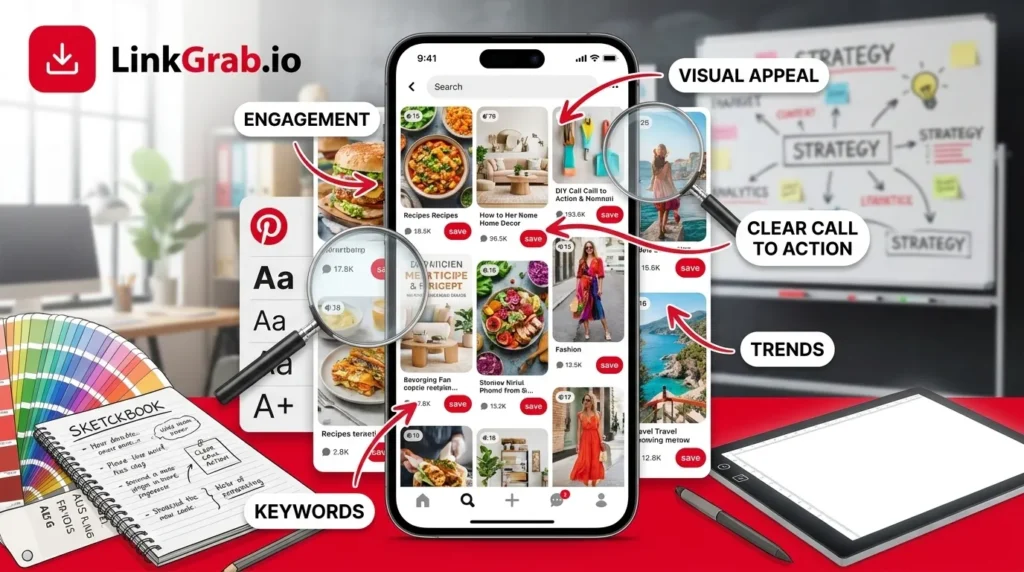
Viral pins are almost never clever. They’re clear. Scroll through the top results for any keyword in your niche and the same pattern shows up: one idea per pin, readable in about two seconds, on a vertical 2:3 canvas that fills a phone screen.
The anatomy of a viral pin
Break down any breakout pin and you’ll usually find:
- One idea, stated plainly. “15 Small Backyard Ideas on a Budget” not “Outdoor Living Inspiration.”
- Text overlay that works without the image. Most people read the words before they process the picture.
- A 2:3 aspect ratio (1000 × 1500 px). Pinterest crops anything else, and cropped pins die.
- High contrast and big type. If you have to squint on mobile, it’s already lost.
- A destination page that delivers what the pin promised. Pinterest tracks whether visitors bounce straight back, and it buries pins that disappoint.
Build a swipe file before you design anything
Before designing a single pin for a new niche, I spend an hour collecting the pins already dominating it. Search your main keywords, note what the top results share hook phrasing, color palettes, text placement and save the standouts. A Pinterest downloader makes this faster: save the top-performing pins and video pins to a folder and study their layouts side by side, offline, instead of losing them in an endless scroll.
The swipe file is for pattern study, not copying. You’re reverse-engineering why a pin works the promise it makes, how it frames the hook so you can apply the same principles to your own designs. Reposting someone else’s pin as your own gets your account suppressed, and rightly so.
The hook formulas that keep showing up
Across niches, three hook structures appear in viral pins again and again:
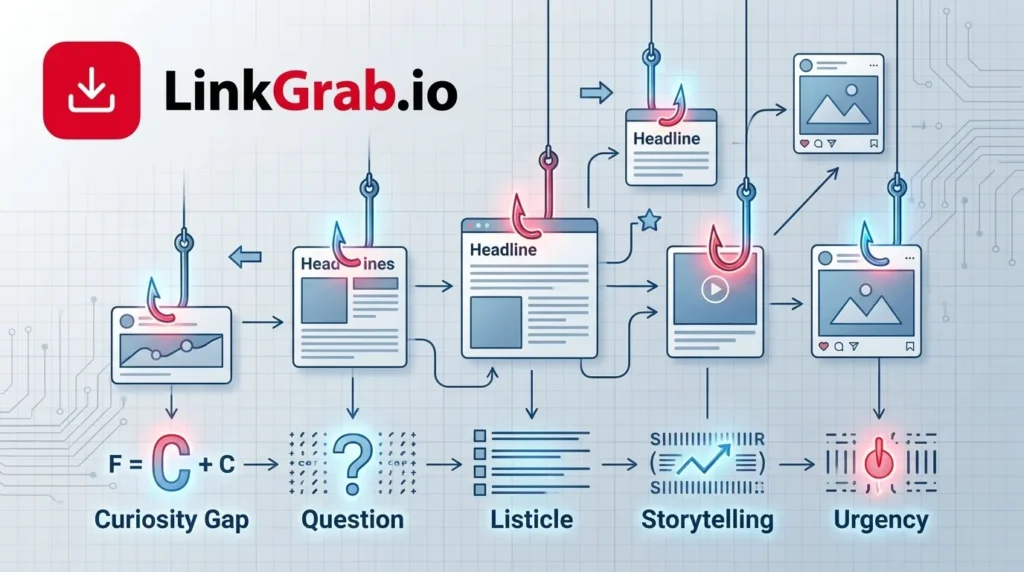
- The numbered promise: “7 Dinner Ideas That Take 15 Minutes”
- The curiosity gap: “The Closet Mistake That Makes Small Rooms Look Smaller”
- The before/after: “From 200 to 40,000 Monthly Views What I Changed”
None of this is revolutionary. That’s the point. Viral pins win on clarity and relevance, not originality of format.
Once you know the pattern, the next job is production and this is where most people quietly sabotage themselves.
Creating Pins Built to Go Viral
The biggest creation mistake in 2026 is making one pin per piece of content. Make three to five distinct designs for every URL you promote different hooks, different images, different framing. Not the same design in five colors.
Here’s why. Each fresh design gets its own 24–48 hour test window with a slightly different audience. Five designs means five lottery tickets for the same destination page, and each one teaches you which hooks your audience responds to. One design is one roll of the dice.
A workflow that holds up:
- Write 5–7 hook variations for the content you’re promoting.
- Pick the 3–5 strongest and design each as its own pin. Canva templates make this a 30-minute job, not a 3-hour one.
- Space them out one design per week to different relevant boards, never all at once. Bulk-dumping identical destinations trips spam filters.
- Watch which design pulls saves in its first 48 hours, and make your next batch look more like the winner.
Video pins earn extra reach right now
Pinterest is visibly favoring video in 2026, and short video pins 6 to 15 seconds regularly out-distribute static pins on the same topic. You don’t need production value. A slideshow of steps, a quick screen recording, a before/after transition: any of these is enough. If you add one new format this year, make it video.
A well-made pin still needs to be found, though. Design gets the save; search gets the impression.
Pinterest SEO: Getting Your Pins Found and Recommended
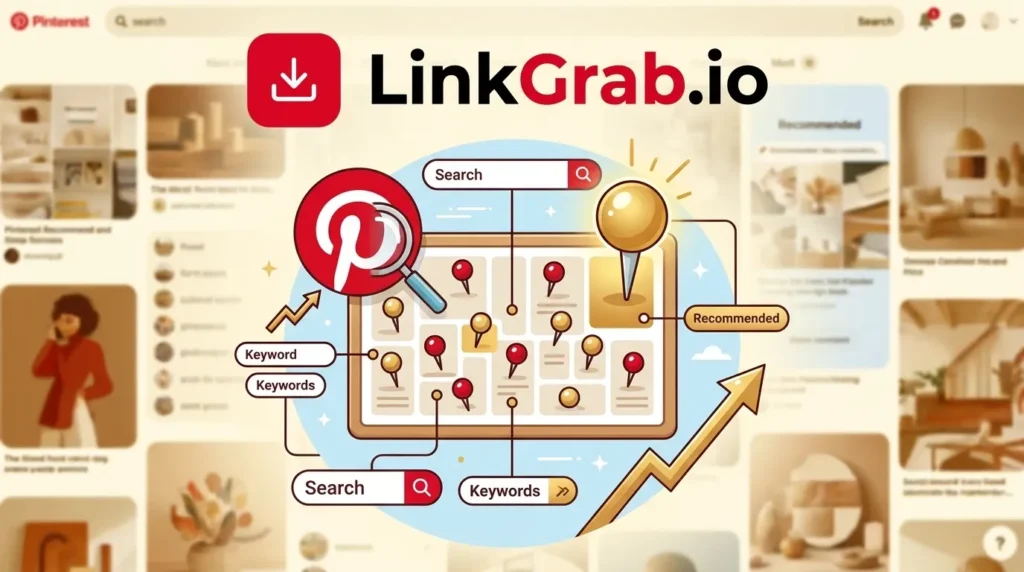
Pinterest is a search engine that looks like a social network. Nearly every element you control pin title, description, board name, board description, alt text, your profile is an indexing surface. Treat them that way.
Find keywords inside Pinterest itself
Skip third-party keyword tools to start. Pinterest hands you its own search data:
- The search bar. Type your topic and note the autocomplete suggestions those are real queries, roughly in order of volume.
- Guided search bubbles. The filter chips that appear after a search (“small,” “on a budget,” “modern”) are the modifiers people add most often.
- Pinterest Trends (trends.pinterest.com). Search volume over time for the US essential for timing seasonal content.
Put keywords where they actually count
- Pin title: lead with your main keyword, phrased the way people search. “Fall Porch Decor Ideas 2026” beats “Cozy Vibes for Autumn.”
- Description: two or three natural sentences using your main term and a couple of related ones. Write for a human; entity recognition handles the rest.
- Board name and description: boards give pins context. A pin saved to “Dinner Recipes Quick & Healthy” ranks better than the same pin on “My Stuff.”
- Alt text: describe what’s literally in the image. It feeds both accessibility and visual search.
And hashtags? Mostly a relic. They carry almost no ranking weight on Pinterest in 2026. Two or three won’t hurt, but every minute spent on hashtag strategy is better spent on titles and descriptions.
Keywords tell Pinterest what your pin is about. Your publishing rhythm tells Pinterest whether your account deserves distribution. Both have to be right.
The Posting System: Frequency, Timing, and Consistency
The sweet spot in 2026 is 3–7 fresh pins per week per topic cluster, sustained for months. That’s less than the “10 pins a day” advice still floating around from the group-board era and that’s the point. Volume without freshness now works against you.
| Account stage | Fresh pins per week | Realistic expectation |
| New (0–3 months) | 5–7 | Building topic authority; modest impressions |
| Growing (3–6 months) | 5–10 | First breakout pins typically appear here |
| Established (6+ months) | 7–15 | Compounding traffic; seasonal spikes |
Three rules make the schedule work.
Post when your US audience is active. Evenings (8–11 pm ET) and weekend mornings are consistently strong Pinterest use skews toward planning and browsing during downtime. Your own analytics will refine this within a month.
Publish seasonal content 30–45 days early. Pinterest users plan ahead. Christmas searches start in October; Fourth of July content peaks in late May. Pin at the peak and you’ve already missed it. This is the most common timing mistake I see, and the easiest to fix.
Never sacrifice consistency for volume. Four pins a week for six months beats forty pins in one week followed by silence. The algorithm reads sudden bursts as spam and long gaps as abandonment.
A scheduler Pinterest’s native one or Tailwind turns all this into a Sunday batch session instead of a daily chore.
How do you know whether any of it is working? The numbers will tell you, if you read the right ones.
Reading Your Analytics: The Signals That Predict a Viral Pin
The metric that best predicts virality is saves. A save tells Pinterest your pin is worth keeping, and saved pins get reshown to the saver’s audience. Watch saves first, outbound clicks second, and ignore monthly views almost entirely.
The hierarchy in Pinterest Analytics:
- Saves the strongest amplification signal. A high save rate in the first 48 hours marks a breakout candidate.
- Outbound clicks the money metric if you’re driving traffic. High saves with low clicks usually means the pin’s call to action is weak or unclear.
- Close-ups people stopping to look. A decent signal, weaker than saves.
- Impressions context only. Distribution is happening; it doesn’t mean it’s earning anything.
Monthly views is a vanity metric. It counts everyone who scrolled past anything of yours, it swings wildly with the seasons, and it correlates poorly with traffic or sales. Accounts with 300k monthly views can earn fewer clicks than accounts with 40k. Don’t set goals around it.
The pattern worth learning to spot is the slow burn: a pin that did nothing for three or four weeks, then shows a steady week-over-week climb in saves. That’s Pinterest re-testing content as it gathers engagement data it’s how most viral pins actually behave. When you spot one, act. Make two or three new design variants pointing at the same URL, and check that the destination page is ready for traffic.
Plenty of people open their analytics and find the opposite story, of course. Numbers heading down. That’s usually fixable, and the causes are predictable.
Why Your Pins Aren’t Going Viral (Fix These First)
If your impressions are flat or falling, the cause is almost always one of these:
- You’re repinning instead of publishing fresh pins. Recirculating old images is the single biggest reason accounts stalled after the algorithm shifted. Every pin you publish should be a new image, even when the destination is old.
- Your topics are scattered. No clusters, no authority, no distribution. Prune your boards down to your core subjects.
- You bulk-uploaded and tripped a spam filter. Twenty pins in an hour, the same URL pinned everywhere, keyword-stuffed descriptions all of it triggers quiet suppression. Spread publishing out and write like a person.
- Your boards give pins no context. Unnamed or junk-drawer boards starve the algorithm of the board-level signals it uses to classify pins.
- You pinned seasonal content at the peak instead of ahead of it. A Thanksgiving pin published Thanksgiving week is already too late.
- The linked page underdelivers. Visitors who bounce straight back to Pinterest tell the platform to stop sending them.
One reassurance: a dip in a new pin’s impressions after day two is normal. Pinterest often retests pins around the one-week mark, and slow-burn recoveries are common. Judge pins at 30 days, not 3.
Fix the suppressors, keep publishing, and eventually a pin takes off. Which raises a question almost nobody prepares for.
What to Do When a Pin Goes Viral (Most People Waste It)
A viral pin is temporary. The asset is what you build from it. When a pin starts compounding, do four things within the week:
- Clone the winner. Make three to five new designs with the same hook style, pointing at the same URL and at related content. The algorithm just told you exactly what your audience responds to feed it more.
- Upgrade the destination page. More traffic is coming. Tighten the content, check it loads fast on mobile, and make the next step obvious a related post, a product, a sign-up.
- Capture the audience. Viral traffic evaporates when the pin cools. An email opt-in tied to the pin’s exact topic a checklist or template works best converts a spike into a list.
- Template the win. Save the pin to your swipe file, write down its hook formula, format, and timing, and make it the starting point for your next batch. One viral pin analyzed properly is worth fifty tips articles.
The accounts that grow fastest aren’t the ones that go viral most often. They’re the ones that extract the most from each time it happens.
Going Viral Is a System, Not a Lottery
Pinterest in 2026 rewards a boringly repeatable process: fresh pins in tight topic clusters, one clear idea per design, keywords where they count, published ahead of demand, and judged by saves rather than views. Run that system for ninety days and you won’t need luck breakout pins become a matter of when, not if.
Start with the swipe file. An hour studying what already works in your niche will improve your next pin more than any tip on this list.
FAQs
How long does it take for a pin to go viral on Pinterest?
Typically two weeks to three months. Pinterest virality is a slow burn pins often sit quietly for weeks before search demand and engagement data push them into wide distribution. Some pins spike within 48 hours, but gradual, compounding growth is the far more common pattern.
How many pins should I post per day in 2026?
One fresh pin a day is plenty; 3–7 fresh pins per week per topic is the realistic sweet spot. Consistency over months matters far more than daily volume, and bulk-posting identical content can trigger spam filters.
Do hashtags still work on Pinterest in 2026?
Barely. Hashtags carry minimal ranking weight now. Two or three relevant ones are harmless, but keywords in your pin title, description, and board names do the real work.
Can old pins go viral again?
Yes Pinterest routinely resurfaces older pins when seasonal demand returns or engagement picks up. Help it along by publishing fresh pin designs that point to the same content, rather than repinning the old image.
Why did my Pinterest views suddenly drop?
The usual causes: a shift toward repinning instead of fresh content, seasonal demand cooling off, scattered topics diluting your account’s authority, or a spam-filter trip from bulk uploading. Views also dip naturally while Pinterest retests pins judge trends over 30 days, not days.
Do you need followers to go viral on Pinterest?
No. Pinterest is search-first, and distribution depends on pin quality, relevance, and engagement not audience size. Small accounts produce viral pins regularly, which is exactly what makes the platform worth the effort.